
Services | Sleep Apnoea, CPAP, Sleep Studies, MAS, Positional Therapy & Oxygen
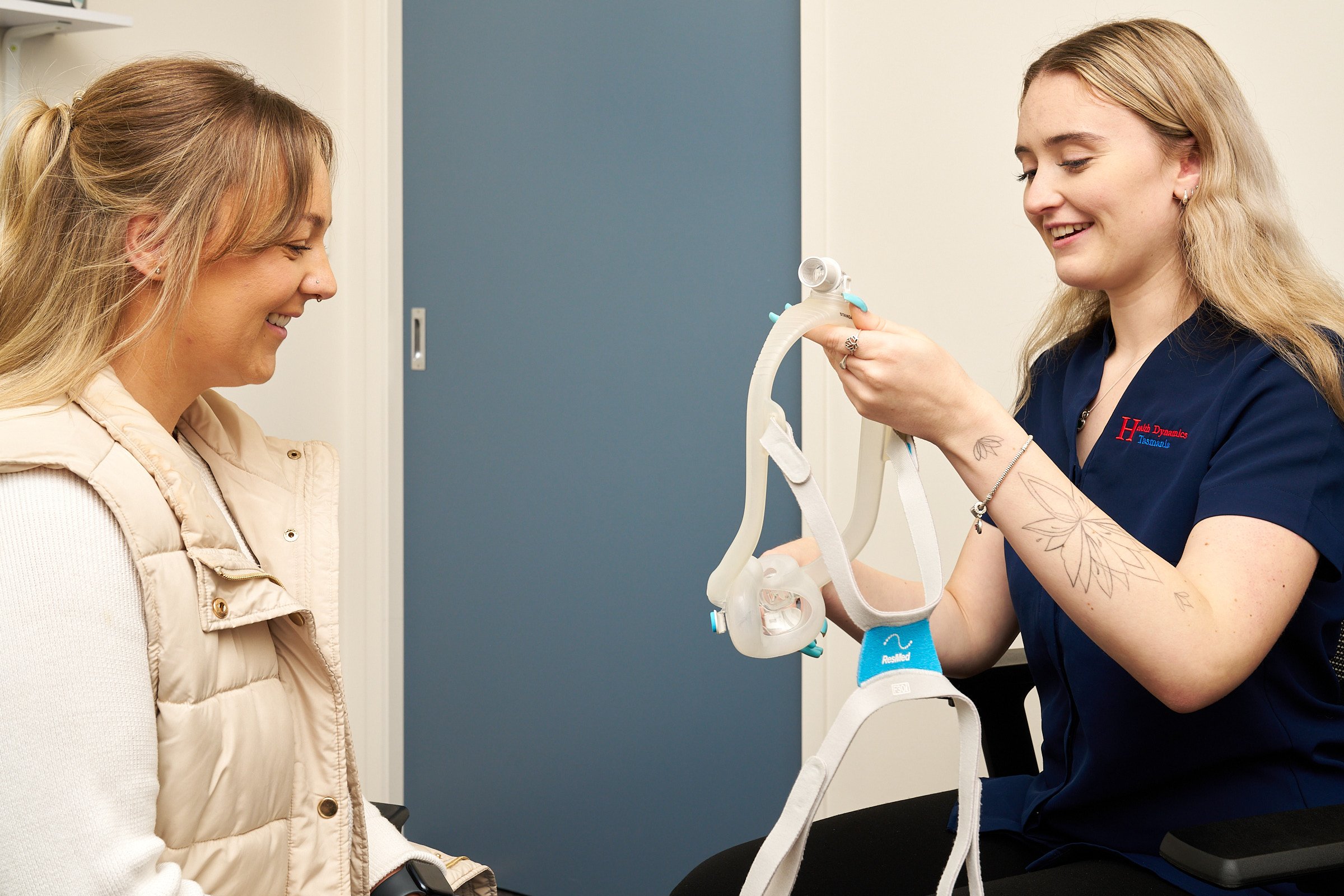
We are Tasmania’s leading provider of medical products for treating and managing respiratory disorders, with a special focus on CPAP (Continuous Positive Airway Pressure) therapy. As a proud Resmed Authorised Dealer, we bring you the latest in sleep and respiratory technology.
SLEEP APNOEA
What is sleep apnoea?
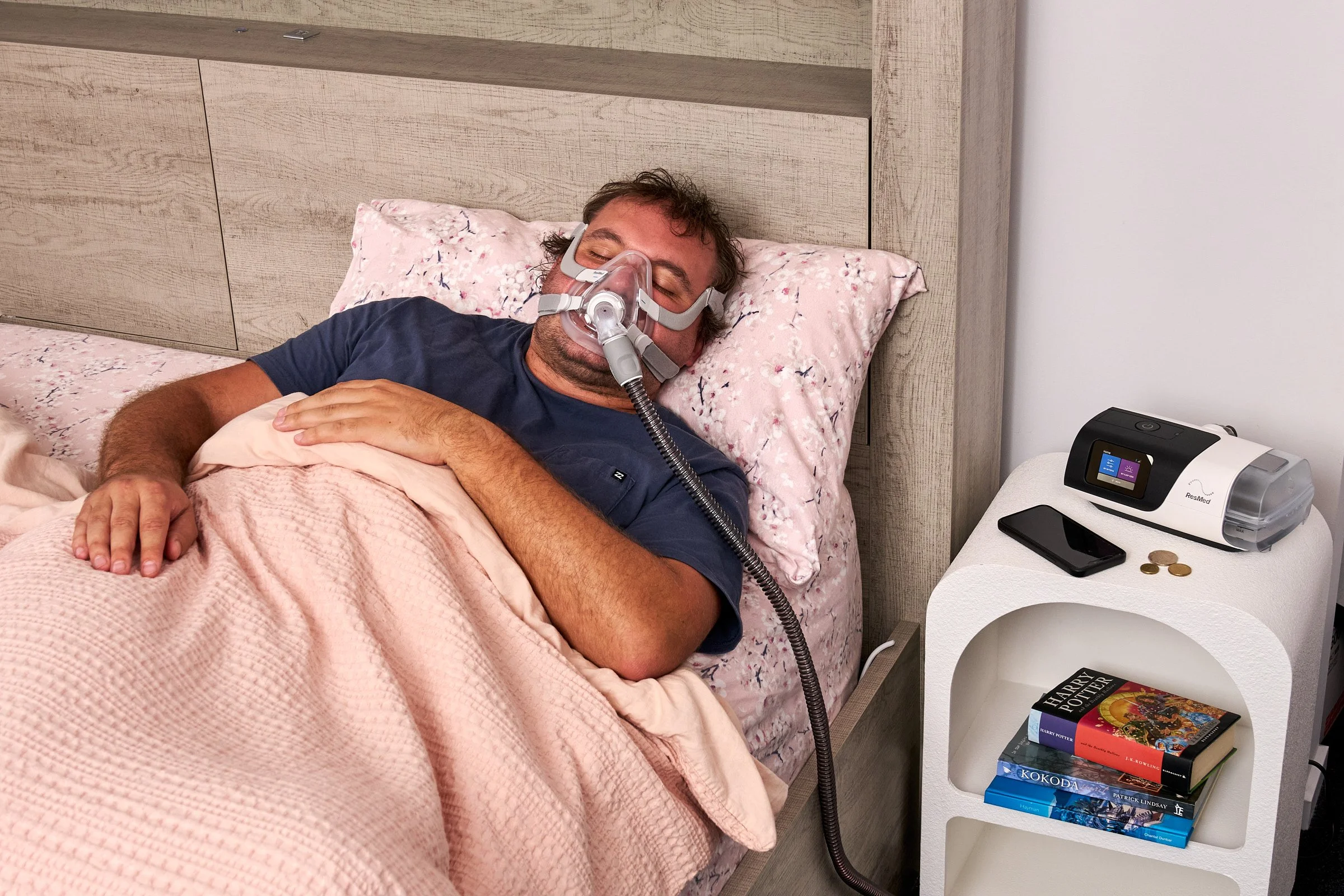
Sleep apnoea is a sleep disorder characterised by repeated pauses in breathing or shallow breaths during sleep. These interruptions can last a few seconds up to minutes and often occur multiple times throughout the night. The most common type is obstructive sleep apnoea, where the throat muscles relax excessively, blocking the airway. Symptoms may include loud snoring, gasping for air during sleep, and daytime fatigue. Proper diagnosis and treatment are essential for improving sleep quality and overall health.
What causes sleep apnoea?
Sleep apnoea occurs when the muscles in the back of the throat relax. When the muscles relax, your airway narrows or closes as you breathe in. You can't get enough air, which can lower the oxygen level in your blood. Your brain senses that you can't breathe, and briefly wakes you so that you can reopen your airway. This awakening is usually so brief that you don't remember it.
You might snort, choke or gasp. This pattern can repeat itself 5 to 30 times or more each hour, all night. This makes it hard to reach the deep, restful phases of sleep.
-
Excess weight. Obesity greatly increases the risk of OSA. Fat deposits around your upper airway can obstruct your breathing.
Neck circumference. People with thicker necks might have narrower airways.
A narrowed airway. You might have inherited a narrow throat. Tonsils or adenoids also can enlarge and block the airway, particularly in children.
Being male. Men are 2 to 3 times more likely to have sleep apnoea than are women. However, women increase their risk if they're overweight or if they've gone through menopause.
Being older. Sleep apnoea occurs significantly more often in older adults.
Family history. Having family members with sleep apnoea might increase your risk.
Use of alcohol, sedatives or tranquilizers. These substances relax the muscles in your throat, which can worsen obstructive sleep apnoea.
Smoking. Smokers are three times more likely to have obstructive sleep apnoea than are people who've never smoked. Smoking can increase the amount of inflammation and fluid retention in the upper airway.
Nasal congestion. If you have trouble breathing through your nose — whether from an anatomical problem or allergies — you're more likely to develop obstructive sleep apnoea.
Medical conditions. Congestive heart failure, high blood pressure and type 2 diabetes are some of the conditions that may increase the risk of obstructive sleep apnoea. Polycystic ovary syndrome, hormonal disorders, prior stroke and chronic lung diseases such as asthma also can increase risk.
How sleep apnoea affects your health
-
Daytime fatigue. The repeated awakenings associated with sleep apnea make typical, restorative sleep impossible, in turn making severe daytime drowsiness, fatigue and irritability likely.
You might have trouble concentrating and find yourself falling asleep at work, while watching TV or even when driving. People with sleep apnea have an increased risk of motor vehicle and workplace accidents.
You might also feel quick-tempered, moody or depressed. Children and adolescents with sleep apnea might perform poorly in school or have behavior problems.
High blood pressure or heart problems. Sudden drops in blood oxygen levels that occur during OSA increase blood pressure and strain the cardiovascular system. Having OSA increases your risk of high blood pressure, also known as hypertension.
OSA might also increase your risk of recurrent heart attack, stroke and irregular heartbeats, such as atrial fibrillation. If you have heart disease, multiple episodes of low blood oxygen (hypoxia or hypoxemia) can lead to sudden death from an irregular heartbeat.
Type 2 diabetes. Having sleep apnea increases your risk of developing insulin resistance and type 2 diabetes.
Metabolic syndrome. This disorder, which includes high blood pressure, abnormal cholesterol levels, high blood sugar and an increased waist circumference, is linked to a higher risk of heart disease.
Complications with medicines and surgery. Obstructive sleep apnea is also a concern with certain medicines and general anesthesia. People with sleep apnea might be more likely to have complications after major surgery because they're prone to breathing problems, especially when sedated and lying on their backs.
Before you have surgery, tell your doctor about your sleep apnea and how it's being treated.
Liver problems. People with sleep apnea are more likely to have irregular results on liver function tests, and their livers are more likely to show signs of scarring, known as nonalcoholic fatty liver disease.
Sleep-deprived partners. Loud snoring can keep anyone who sleeps nearby from getting good rest. It's common for a partner to have to go to another room, or even to another floor of the house, to be able to sleep.
Living with Sleep Apnoea
Getting treatment for sleep apnoea and following your doctor’s advice can help you and your family members.
Getting treatment for sleep apnoea should reduce snoring and can improve your quality of sleep (for your bed partner too).
Treating sleep apnoea should help you feel rested during the day Improving healthy lifestyle for some people such as stopping smoking, increasing exercise and losing weight.
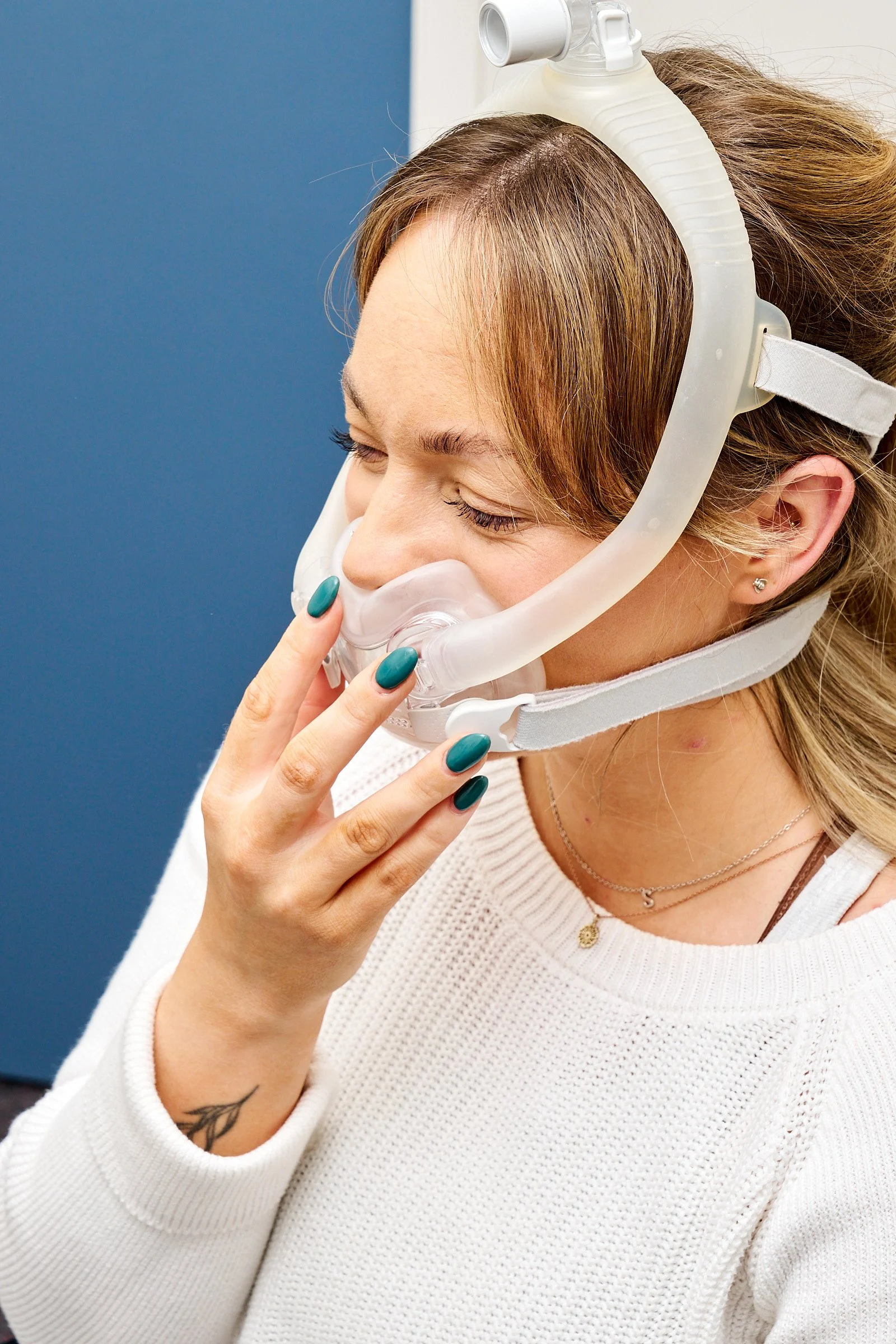
Some people will need to use their flow generator (CPAP) and mask each night to help keep the throat open and improve breathing.
A few people will need to have surgery to open their upper airway. This might involve removal of tonsils and adenoids, part of the uvula (the tissue that hangs from the middle of the back of the roof of the mouth), and/or the soft palate (the roof of the mouth in the back of the throat). Regular and ongoing follow up is important; your sleep medicine specialist will check whether your treatment is working and whether you are having any side effects.
Treatment for sleep apnoea
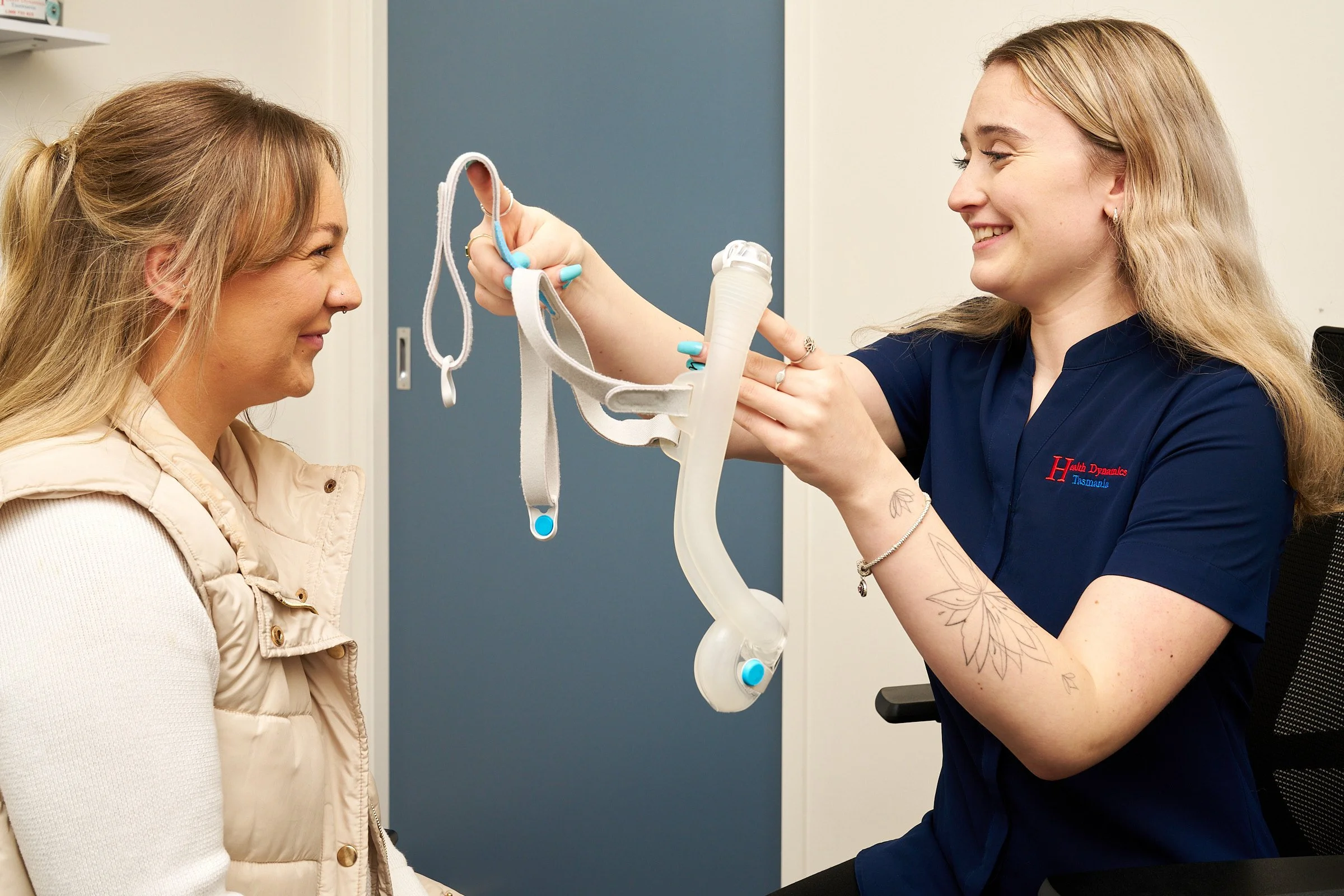
At Health Dynamics we offer a range of treatment options for sleep apnoea such as:
CPAP
Mas
Positional therapy
Bongo
Contact us today or have a look at our education page for further info on these options.
How is sleep apnoea diagnosed?
Sleep apnoea can be diagnosed by completing a sleep study.
At Health Dynamics we offer level 2 home sleep studies – look at our sleep study page for further info
CPAP
How ‘Continuous positive airway pressure’ (CPAP) can help Sleep Apnoea and other respiratory disorders
CPAP delivers positive pressure through the airways to keep them open throughout the night.
It can assist with underdeveloped lungs
Helps reduce blood pressure
And improve pulmonary hypertension
Tips
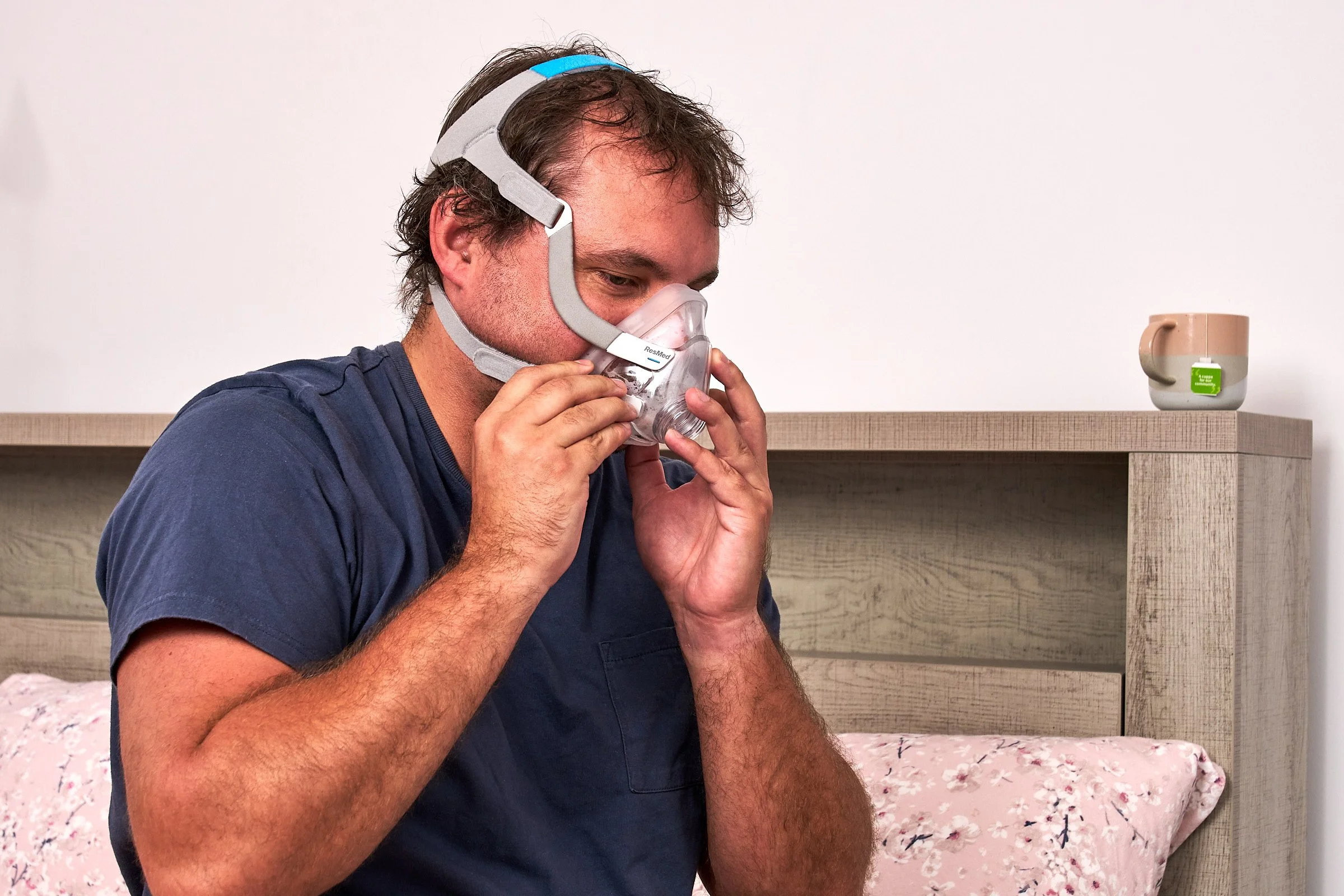
Starting CPAP videos
New to CPAP? Our step-by-step video guides will walk you through setting up your machine, adjusting your pressure settings, and getting comfortable with therapy. We recommend practising while watching TV or reading to help you adjust more quickly.
CPAP Troubleshooting
Experiencing mask leaks, dry mouth, or discomfort? These are common issues when starting CPAP therapy. Our troubleshooting guides cover solutions for the most frequent problems, from adjusting your humidifier settings to finding the right mask fit for you.
CPAP Mask and Machine Cleaning
Regular cleaning keeps your CPAP equipment hygienic and extends its lifespan. Follow our daily and weekly cleaning guides to maintain your mask, tubing and humidifier chamber. A clean machine means better therapy and fewer replacement costs.
CPAP Rentals
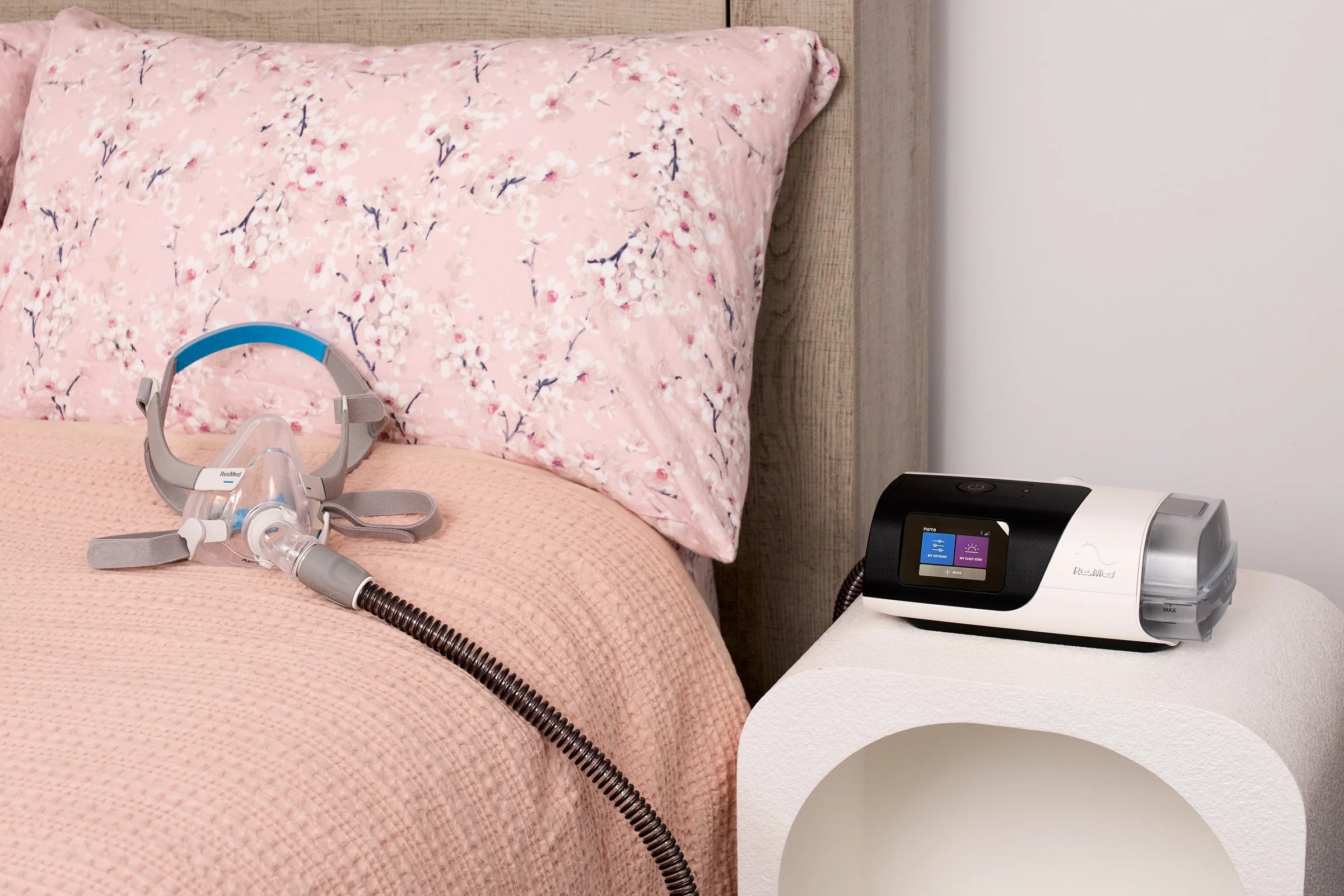
At Health Dynamics we offer 4-8 week trials of CPAP to ensure we get you set up with the most effective and comfortable equipment for you
SLEEP STUDIES
Home Sleep Studies
Do I need a Sleep Study and what will it tell me?
If you have symptoms of obstructive sleep apnoea the best thing you can do is a sleep study
A sleep study will identify if you have sleep apnoea and whether or not it is obstructive or central
It will also tell us the severity meaning we can find the best treatment option for you
Sleep Study Process and Preparation
The process for getting a home sleep study:
Referral from GP or specialist to Health Dynamics. This should include some completed questionnaires. If you score 3 or more in the STOP BANG questionnaire AND 8 or more in the ESS questionnaire and have a referral from your GP, you are eligible to have a sleep study without seeing a sleep physician first. A score of up to 10 is regarded as being in the normal range for the ESS.
Once we receive the questionnaires with your referral we will book you in for a study (provided you meet the above criteria), otherwise we will suggest a consultation with one of our sleep physicians.
-
Collection of the device:
Bring your Medicare card with you.
There is an out-of-pocket cost so please bring your credit/debit card or money with you. Please phone your local office to check as to how much.
Self-Setup:
Shower prior to setting yourself up.
If you wear nail-polish or gels/acrylics, please have one nail cleaned and free from these so an oximeter can be placed on that finger.
Please remove any make-up/moisturiser/face oil serums prior to your appointment.
Please wash your hands thoroughly removing all dirt including your fingernails.
You will need to wear a top to bed so that the device may be clipped to it.
Please keep yourself cool as sweat causes bad signals.
Self-set-up instructions can be found HERE
After your study
Please remove the clip-on electrodes.
Obviously remove the effort bands, nasal cannula and the oximeter.
Fill in the blanks on your tech sheet – time of final wakening, etc.
Please dispose of the nasal cannula, respiratory bands, used tape and instructions.
Stick the electrode dots onto the cannula bag (they can be difficult to remove from the ends of the leads).
Please return the device including the Nonin oximeter with the notes, by 10.30am the following business day.
Report
The sleep study will be scored and then reported with results available in two to four weeks.
The report then gets sent to your referring doctor and you will be contacted by us to notify you of this.
-
Wear or bring in a top to wear to bed for tonight. The device is clipped to the top and some respiratory bands are placed around the chest and stomach, so the top won’t be able to be removed once set-up until the morning.
The top will have to be put on and have the recorder pinned to it and some respiratory bands placed around it and therefore unable to be removed until the morning.
For ladies: Please have your bra easily removable if an underwire bra during your appointment or else wear a wire free bra.
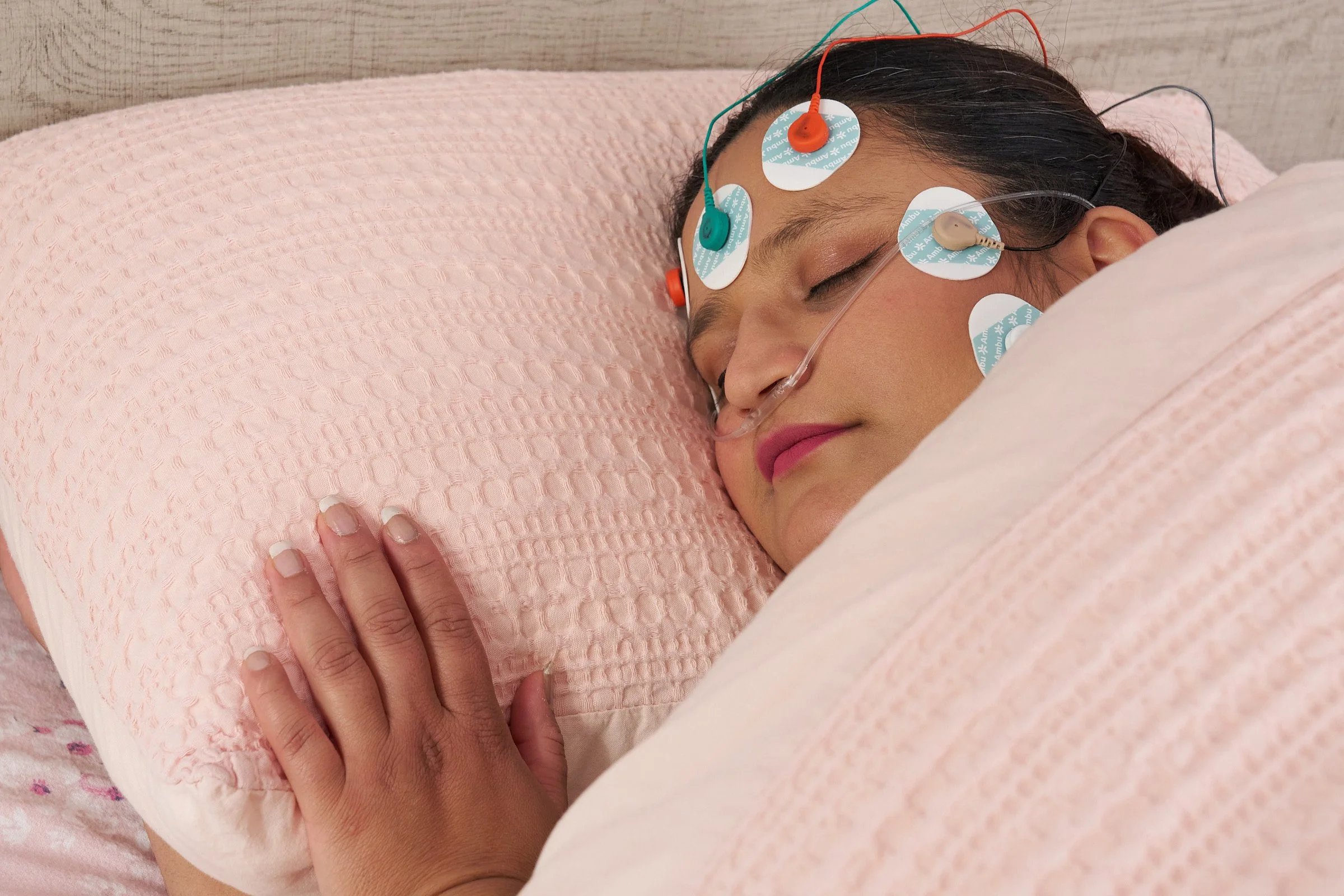
Be prepared to be connected to multiple ECG-style electrodes and some respiratory bands including electrodes on your face and head. Therefore, you should NOT anticipate socialising (restaurant, etc.) or playing sport after you have been set-up. Walking or cycling home after your appointment is also not recommended.
We suggest you wear a loose button/zip top or jacket to place over the equipment. People often bring a hooded garments to disguise the wires. See pictures for setup.
If you wear nail-polish or gels/acrylics, please have one nail cleaned and free from these so an oximeter can be placed on that finger.
Please remove any make-up/moisturiser/face oil serums prior to your appointment.
Please wash your hands thoroughly removing all dirt including your fingernails.
Bring your Medicare card with you.
There is an out-of-pocket cost so please bring your credit/debit card or money with you. Please phone your local office to check as to how much.
If coming from a physical/dirty job or the gym you should have a shower just prior to your appointment.
The set-up will take 45-60 minutes.
After study set-up
Please keep yourself cool as sweat causes bad signals. So, think of cool transport home and cool bedding (contemplate using a fan on a warm night).
After your home sleep study
Please remove the clip-on electrodes and dispose of the sticky dot electrodes and ONLY the sticky electrodes.
Obviously remove the effort bands, nasal cannula and the oximeter.
Dispose of the respiratory effort bands and the nasal cannula.
Fill in the blanks on your tech sheet – time of final wakening, etc.
Please return the NOX A1 device and Nonin oximeter by 10.30am the following business day.
Report
The sleep study will be scored and then reported with results available in two to four weeks.
The report then gets sent to your referring doctor and you will be contacted by us to notify you of this.
Paediatric Sleep Studies
Home sleep studies are available for children aged 3-17 years – Hobart office only
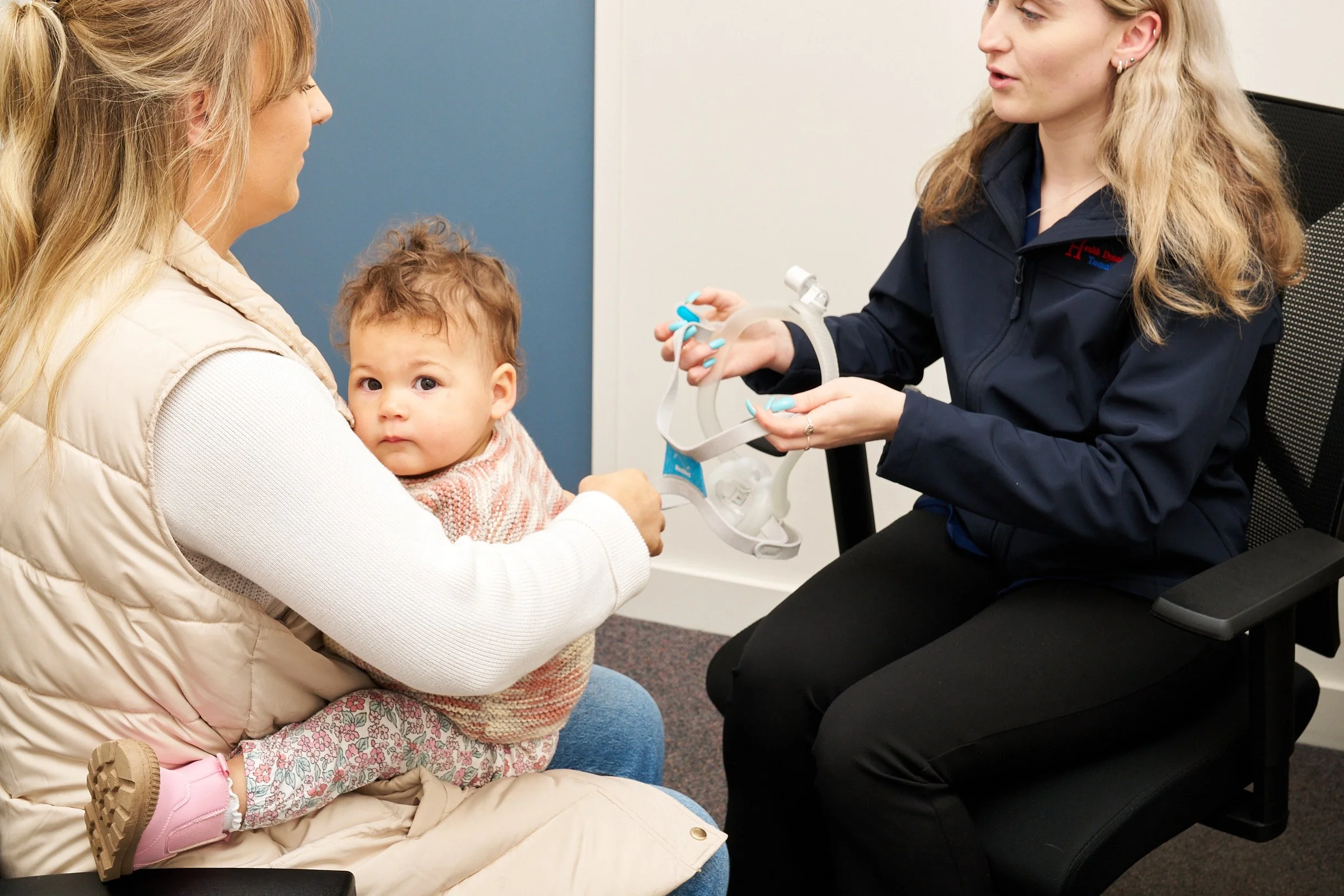
Home sleep studies are available for children aged 3-17 years through our Hobart clinic. Our team makes the process comfortable and non-threatening, with results reviewed by paediatric sleep specialist Dr Scott Burgess. A GP referral is required to get started.
-
Sleep studies involve the measurement of numerous body signals while a child is asleep. These typically include brain waves to determine sleep quality, breathing (airflow and chest movements), oxygen levels and body / limb movements (restlessness). It is performed using sticky dots, wires and an oxygen monitor attached to your child’s finger. Nothing hurts and our team will strive to make the application of equipment a non-threatening experience.
-
Sleep studies are a tool used as part of an evaluation of a child’s sleep and overall wellbeing. It is most helpful in the assessment reathing, especially in a child who snores and could have obstructive sleep apnoea. Up to 10% of children snore and ¼ of these children may have obstructive sleep apnoea (OSA). Snoring and repetitive pauses in breathing can affect sleep quality resulting in problems with daytime function, learning and behaviour. Sleep studies may also be helpful in the evaluation of restless sleep and other breathing problems.
-
An appointment will be arranged with a Dr Burgess (Paediatric sleep specialist) through the Hobart Paediatric Group (www.burgessmedical.com.au). This consultation has several aims. The most important are to gain an understanding of the problem(s) your child is having and whether a sleep study is the right test. Our sleep physician will also help with problems that do not require a sleep study. Our staff will ensure that you and your child have a good understanding of what will be involved.
An initial in person review is recommended. However, telehealth appointments are available if you live a long distance from Hobart.
The sleep equipment will normally be applied by one of our technicians at our Hobart clinic. Your child will return home and sleep in their own bed overnight. The equipment is brought back the following day.
The information is downloaded from the device, analysed by one of our scientists and a follow-up appointment with our paediatric sleep physician, Dr Scott Burgess, will be arranged to discuss the results and develop a management plan. -
At present there is no Medicare rebate for a child to have a home sleep study.
The total cost for the specialist consultation, sleep study and follow-up appointment is $279.
There will be additional costs for the consultation with Dr Burgess.

Home Sleep Studies
Sleep in your own bed while our portable diagnostic equipment records your breathing, oxygen levels and sleep quality overnight. Most costs are covered by Medicare with a valid GP referral. Available statewide through our Hobart, Launceston and Devonport clinics.
-
A portable sleep study, also known as a home sleep study, is a convenient way to diagnose sleep disorders from the comfort of your own home. The study measures key body signals while you sleep, including airflow, breathing effort, oxygen levels, heart rate, and body position. Our team will fit you with the equipment at one of our clinics, and you'll return home to sleep in your own bed overnight.
-
Portable sleep studies are ideal for adults who have symptoms of obstructive sleep apnoea, such as loud snoring, gasping during sleep, or excessive daytime tiredness. They're a great option if you prefer to sleep in your own environment rather than an overnight facility. Our team will help determine if a home study is right for you based on your symptoms and medical history.
-
Once you return the equipment the following day, the data is downloaded and analysed by our team. The results will show whether you have sleep apnoea, whether it is obstructive or central, and how severe it is. Based on these findings, we'll discuss the best treatment options for you, which may include CPAP therapy, positional therapy, or a mandibular advancement splint.
-
Please contact us on 1300 731 615 to discuss current pricing and Medicare rebate eligibility. To be eligible for a Medicare rebate, you will need a referral from your GP or specialist along with completed questionnaires meeting the required criteria.
OTHER SERVICES

Mandibular Advancement Splint (MAS)
MAS is worn during sleep to help treat mild to moderate obstructive sleep apnoea, amongst other disorders. Mandibular Advancement Splints work by temporarily advancing the lower jaw and tongue forward. This reduces throat constriction and opens the airway while sleeping to prevent sleep apnoea and snoring.
Cough Assist
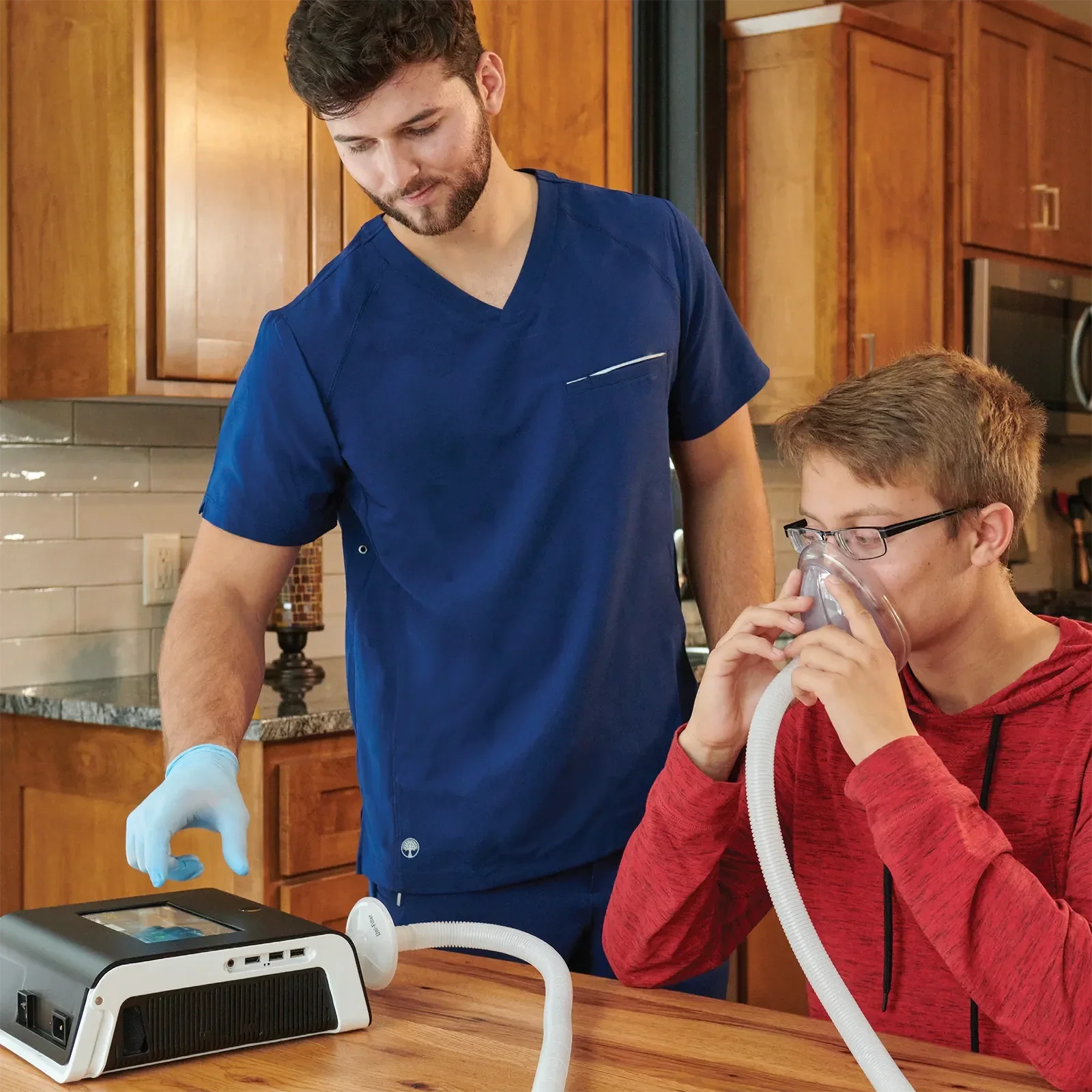
The BiWaze Cough is the respiratory therapy system that combines multiple therapies of assisted cough and lung expansion, along with high-frequency oscillation.
Authorised BiWaze Cough System stockist and service centre for Tasmania.
BiWaze Cough breaks up and removes mucus from the patient's lungs through application of positive air pressure (inhalation) to the airway and then rapidly shifts to negative air pressure (exhalation). After exhalation, the pause phase allows the patient a rest before the next assisted cough cycle. The BiWaze Cough also allows positive pressure during the pause phase, thus creating a higher mean airway pressure, keeping the functional residual capacity higher post-exhale, providing a more comfortable patient therapy experience.
BiWaze Cough is designed to provide cleaner care, easier implementation, and a smarter solution.
BiWaze Cough provides a non-invasive solution to clear secretions from the upper airways. There are two blowers within the control unit which separates inhale and exhale air flow.
The Dual Lumen Breathing Circuit is an alternative breathing circuit that extends the separation of airflow through a coaxial filter and a coaxial breathing tube. The inhale pathway is through the outer tube and the exhale pathway is through the inner tube. The separation of air flow helps ensure the inhaled air is not contaminated with mucus and bacteria from the exhaled air.
Positional Therapy
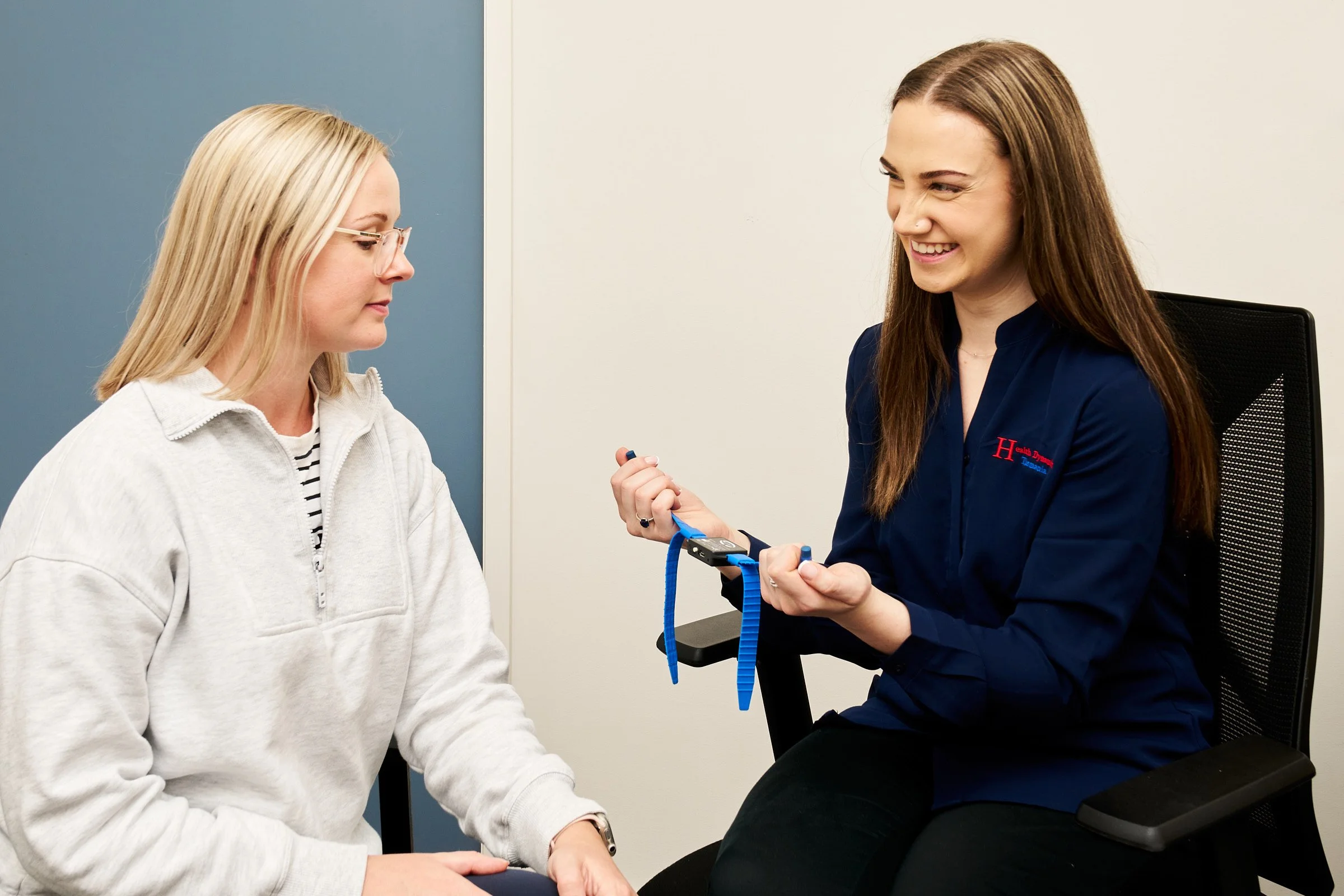
A supine avoidance device is an electronic device used to help patients avoid sleeping in a supine (lying on their back) position. This is particularly helpful for individuals with positional obstructive sleep apnoea (OSA), where snoring and apnoea are more pronounced when lying on their back. These devices often use vibration to encourage the patient to shift to another sleeping position. Contact us to day to trial a device before you buy.
Oxygen
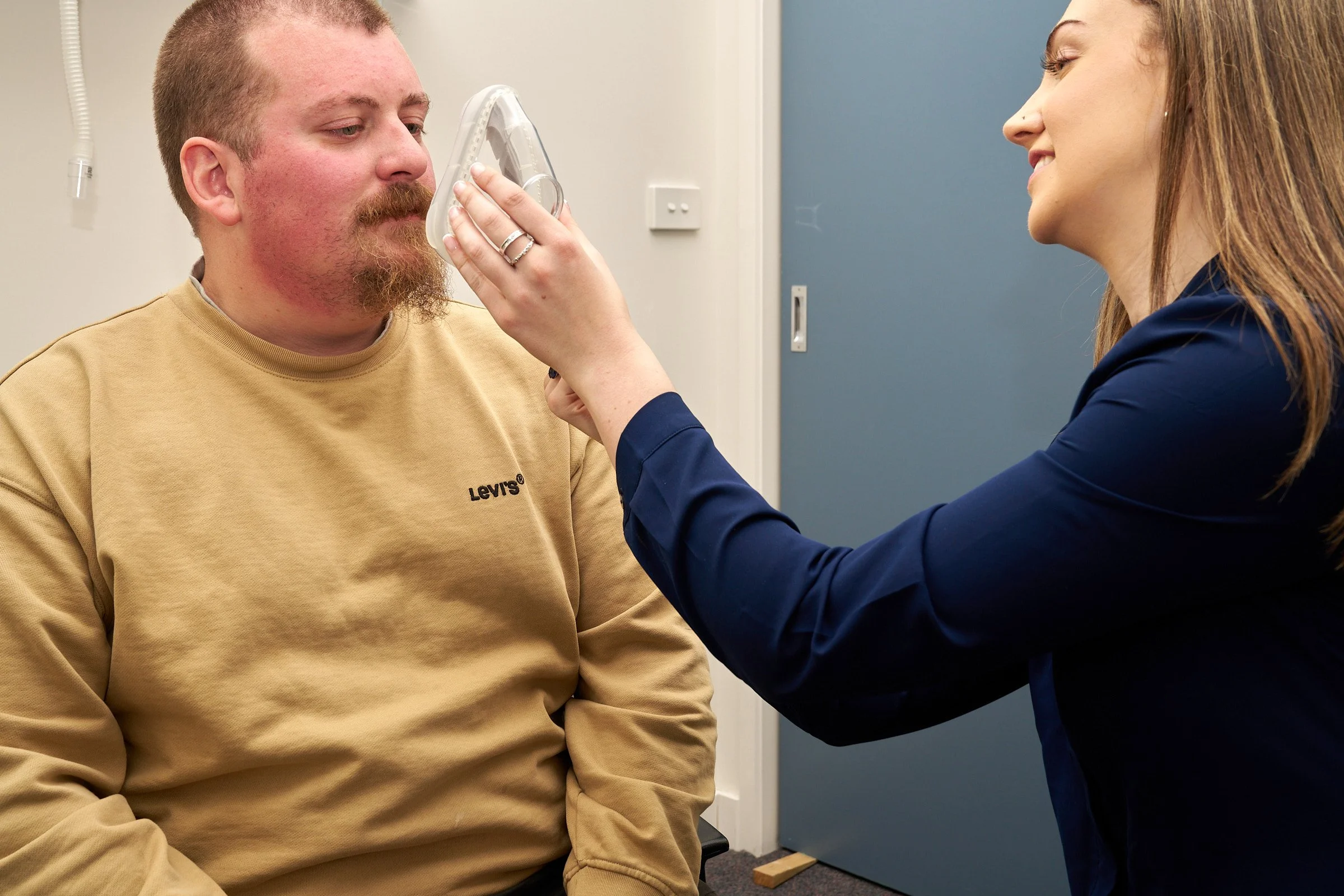
We offer a wide range of oxygen products. From Portable oxygen concentrators to Oxygen Cylinders. Our dedicated team of tech’s will offer you ongoing local support, in the comfort of your own home.

Service & Repairs
We service CPAP, VPAP machines from all the major companies such as ResMed, Philips Respironics and Fisher & Paykel.
We offer scheduled maintenance service to oxygen concentrators, oxygen regulators, flow meters, Twin-O-Vac, blood pressure machines, syringe driver, resuscitation kit, etc. We have many nursing homes, doctors surgeries, medical clinics, etc. that use our services on a regular basis.